
Working through Climate Collapse: How I Do Good Without Burnout
Written by Taeya Boi-Doku
As many emerging environmental professionals, I came into the climate space by way of academia, through theory and intense study. From there, I began my experiential learning, working in state policy, seed sovereignty and international rural mobilization. However, my placement through the Hazel M. Johnson Fellowship has exposed me to layers of the climate sector that academic instruction and policy work haven’t been able to highlight with such stunning detail. My work this summer has been deeply influential in clarifying how I chart a fully embodied path to bettering our climate reality, one step at a time.
In my internship I have been fortunate enough to help ideate groundbreaking programs. Every day, my work increases land access for Black and Indigenous land stewards by any means at our disposal. In my first weeks of work, I was introduced to a tool that I’ve found immensely helpful for framing my climate work. My supervisor walked me through the process of applying a score card ranging from “bad” to “neutral”, followed by “good”, “better”, and “best”. At the end of our assessment I had learned two things, how to implement the “Good, Better, Best Framework”, and that we only moved forward with projects that created, at a minimum, a “good” output. I had never consciously evaluated my work as good, better or best. I measured my output against the north star of moving the climate space forward. I evaluated my days on how I provided space for emerging land stewards, created room for diverse voices or liberated funds for climate work. While these concerns remain central to my work, some days I fall short, I have lower output, and recognize that I can’t see a movement through a single day. Shifting my framework to do a minimum of “good”, has been an incredible reframe to ensure that even on my slowest day, I keep moving forward. The best work is steady work, and my old tools led me through a constant cycle of hyperproductivity and burnout.
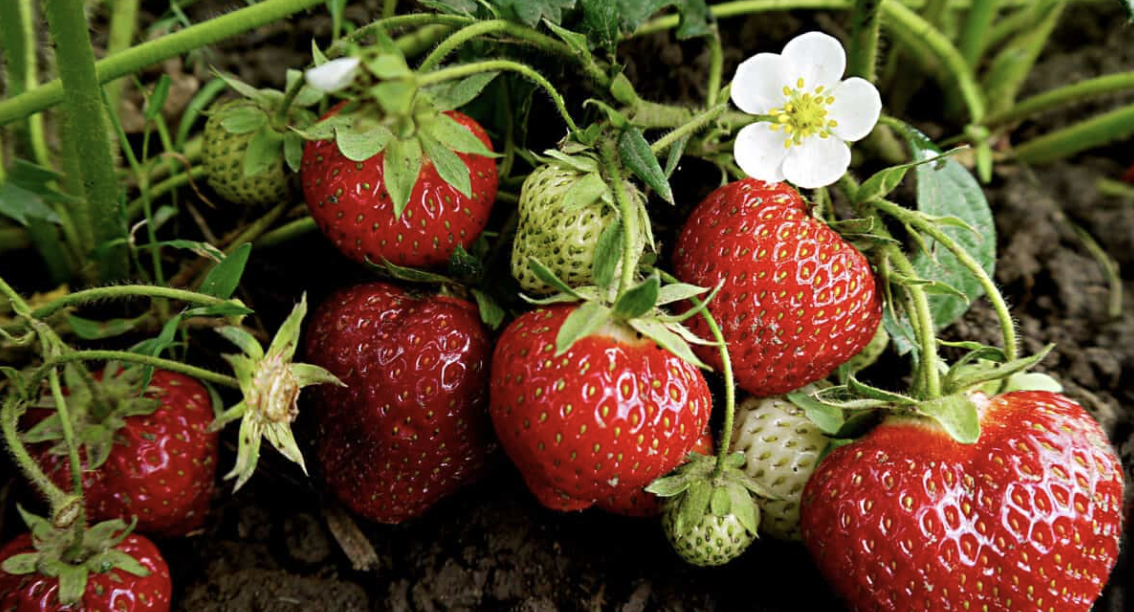
I live in the American South, which means like many, I have experienced the promises of climate change at home. In the quiet moments, I notice that strawberry season was all but rained out, and how my tomato plant’s leaves wilt under the unrelenting heat invading the shade. Yet, this summer’s heatwaves and flash floods have sharpened my spirit. Outside the structure of publications, consultancies and fellowships, climate work is unruly. The work is made all the more complex by the realities of zoning, tax code, and private incentivization. However, I know I cannot wait for ideal circumstances we all need climate repair now, in the midst of disarray. Moving forward under climate collapse is difficult, and beyond necessary. Without a solid rope to climb, it can feel enticing to slip into climate nihilism, and somberly accept that the world I saw as a child will never again be mine. While that may be true, the ecosystems around me will never be, in my lifetime, what they once were; my work has guided me through these valleys.
The “Good, Better, Best” framework has carried over into my climate work outside the professional setting. In my own climate reality, there's a flash flood where my cousin stays. I ground myself with actionable steps. How can I move beyond neutral for her? How can I extend my hand, give support and help prevent the severity of the next flood? There’s a garden I like to volunteer at over an old brownfield. The more we rebuild the compacted soils there, the better it will absorb flood waters the next time around. There are community circles that I can stand in to re-center myself for the days ahead. At work, my team is small but mighty, and while the ramifications of climate change rage; I know that our work will never stop moving forward. I look around in our BGE cohort meetings, and see my peers giving their work to our planet. With them around me, I know that I too will keep moving forward. So I keep a steady pace, pausing to see how I can do good, as a minimum, each day.